
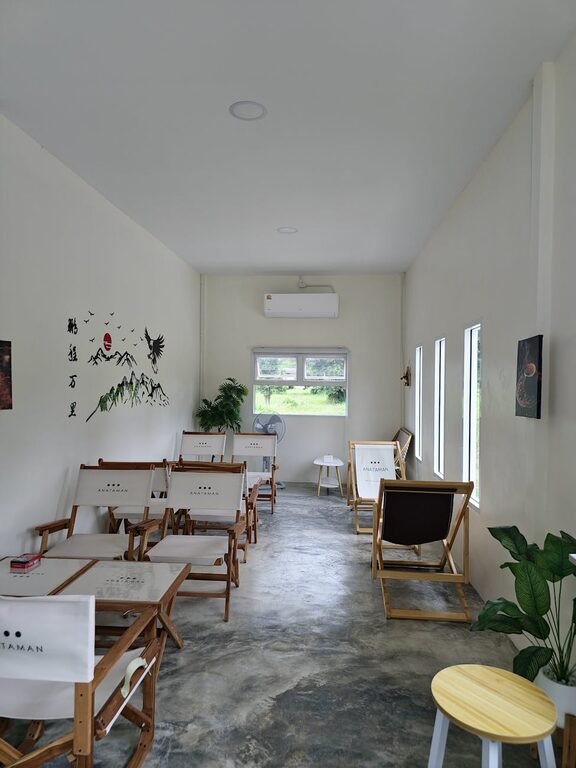
Brightening a dark room can transform your living space, making it feel more welcoming, spacious, and comfortable. Whether your room lacks natural light or feels gloomy due to color choices and furniture placement, there are plenty of easy and affordable solutions to brighten it up. In this post, we’ll explore quick ideas to naturally and effectively brighten a dark room, focusing on light, color, and thoughtful design.
Understanding Why Your Room Feels Dark
Before diving into solutions, it’s helpful to understand why some rooms feel dark. Common factors include:
– Limited natural light due to small windows or shaded exterior views.
– Dark wall colors or furniture that absorb light rather than reflect it.
– Heavy window treatments like thick curtains blocking sunlight.
– Clutter or overcrowding that prevents light from circulating.
Knowing these challenges can help you make targeted improvements.
1. Maximize Natural Light
Natural light instantly refreshes any space. Here’s how to make the most of it:
Choose Sheer or Light Curtains
Instead of heavy drapes, opt for sheer curtains or light fabrics that allow sunlight to filter in while maintaining privacy. White or pastel shades work best.
Clean Windows and Mirrors
Over time, dirt can reduce sunlight coming through windows. Regularly clean your windows inside and out. Place mirrors opposite or adjacent to windows to reflect light deeper into the room.
Trim Outdoor Plants
If trees or shrubs block sunlight, consider trimming them or repositioning outdoor items to let more natural light enter.
2. Select Light, Neutral Colors
Colors play a huge role in a room’s brightness. Light colors reflect light better than dark hues.
Paint Walls in Soft Neutrals
Off-white, cream, pale gray, or pastel tones brighten walls and create an airy feel. Even light blues or greens can open up a room.
Use Light-Colored Flooring and Furniture
If you’re redecorating or renovating, opt for lighter flooring like pale wood or light carpet. Choose furniture in beige, light gray, or white to avoid absorbing light.
Accent with Bright Colors
Add pops of bright colors in your decor to bring energy without darkening the space. Small accessories like cushions, artwork, or lampshades help.
3. Improve Artificial Lighting
Well-planned artificial lighting can brighten a room at any time of day.
Layer Your Lighting
Combine ambient (general), task, and accent lighting to create depth and interest. Use ceiling lights, floor lamps, and table lamps strategically throughout the room.
Choose Bulbs with High Lumens
Bulbs with higher lumens produce brighter light. Look for LED bulbs with a color temperature of 3000K to 5000K for a crisp, natural light feel.
Use Reflective Lampshades
Lampshades in white or reflective materials help spread light rather than absorb it.
Highlight Dark Corners
Position lamps or LED strip lights in corners or under shelves to reduce shadows and even out room lighting.
4. Incorporate Reflective Surfaces
Mirrors and other reflective surfaces bounce light around, raising a room’s brightness.
Add Large Mirrors
A large wall mirror or a group of smaller mirrors opposite windows can double sunlight reflection.
Select Glossy or Metallic Decor
Furniture or decor with glossy finishes, glass, or metallic elements can reflect light to brighten a space. Think glass coffee tables, shiny picture frames, or silver accents.
5. Declutter and Reorganize
A tidy room lets light flow freely and feels more open.
Keep Furniture Away from Windows
Avoid blocking windows with bulky furniture. Rearrange pieces so light isn’t obstructed.
Use Minimal Window Coverings
The less covering the windows have, the more light will enter.
Organize & Simplify Decor
Remove unnecessary items and keep surfaces clear to enhance a feeling of openness and brightness.
6. Add Greenery with Light-Enhancing Plants
Plants freshen any space and some thrive in lower light conditions, adding life without reducing brightness.
Choose Light-Adjusting Plants
Plants like snake plant, pothos, and peace lily adapt well to lower light and don’t block much light.
Keep Plant Containers Light in Color
Use white or light-colored pots to prevent darkening the space.
7. Use Transparent or Open Furniture
Bulky furniture can block light and create shadows.
Opt for Furniture with Legs
Chairs, sofas, and tables with lifted legs let light flow underneath, expanding the visual space.
Choose Glass or Acrylic Pieces
Clear materials prevent heavy visual blocks, allowing light and views to pass through.
Final Thoughts
Brightening a dark room doesn’t require a full remodel or expensive upgrades. Small changes like maximizing natural light, using light colors, layering lighting, and decluttering can make a big difference. With these quick ideas, you can turn any dark room into a cheerful and inviting area that feels larger and more comfortable.
Try combining several of these tips to suit your style and space — and enjoy the refreshed, brighter atmosphere that follows!